Wholesale and channel cooperation
Clarify whether the discussion concerns assortment resale, equipment distribution, or a broader partnership process.
Distributor evaluation before commercial negotiation
Compare the role a company actually performs, the evidence available for review, and the responsibilities each side will own. Pricing, margins, territories, exclusivity, order quantities, lead times, and other commercial terms should remain open until they are confirmed in writing.
Separate the label from the operating role
Veterinary medical supply companies may describe themselves as distributors, wholesalers, suppliers, manufacturers, or sourcing partners. The label alone does not explain who selects products, holds customer relationships, manages technical questions, coordinates service, or supplies supporting documentation.
A useful comparison starts with the buyer workflow and assigns ownership for each step. This keeps broad equipment and supply categories in the procurement plan until the exact product, included scope, and cooperation responsibility have been documented.
| Company role | Typical planning focus | What to clarify |
|---|---|---|
| Distributor | Market development, customer access, product positioning, and local coordination. | Customer ownership, product scope, support handoffs, documentation flow, and escalation responsibilities. |
| Wholesaler | Assortment planning and resale to professional buyers or downstream channels. | Ordering process, product identification, document availability, returns, and service boundaries. |
| Manufacturer or OEM partner | Product definition, documentation review, and customization feasibility. | Design ownership, validation inputs, approval stages, change control, and post-delivery responsibility. |
Evaluation boundary
This framework does not establish distributor status, territory rights, exclusivity, commercial terms, stock availability, market coverage, or service capacity for any company. Those points require direct evidence and written confirmation.
For each intended market, ask which activities are handled directly, through another channel, or remain unconfirmed. Trade-show presence or broad global language does not establish territories, customers, warehousing, service capacity, or market coverage.
Due diligence that follows the workflow
The main procurement risk is not a missing sales claim. It is an undefined responsibility. Ask for evidence that lets your team trace each category from product review through customer use and post-sale coordination.
Review available certification information01
Match every proposed category to a current product page, document set, or a clearly marked confirmation request. Do not treat a broad category name as proof of an available product.
02
Record the intended clinical or procurement use, buyer type, sales route, and the information customers need before a product enters the portfolio.
03
Define who handles onboarding, technical questions, issue escalation, maintenance coordination, and customer communication. Keep each responsibility explicit.
04
Ask for the documents relevant to the exact product and destination. A general company statement should not replace product-level review.
05
Pricing, margins, order quantities, payment terms, lead times, territories, and exclusivity are negotiation items. Record the agreed version instead of inferring them from a general partnership page.
06
Agree how product changes, documentation updates, customer feedback, and unresolved issues will be reviewed after cooperation begins.
Build the evaluation around intended use
Use the completed application routes below to define what a veterinary supplies distributor would need to understand, document, and support. Each route is a planning input, not evidence of an agreed distribution scope.
Clarify whether the discussion concerns assortment resale, equipment distribution, or a broader partnership process.
Map the distributor conversation to the sample type, reporting path, customer setting, and product documentation under review.
Treat these categories as use-case planning routes. Confirm exact products, included scope, and support responsibilities separately.
For a wider portfolio, define the facility context first and then separate documented products from categories that still need confirmation.
Start with current product documentation
These completed product pages provide concrete starting points for evaluation. Review the documented product scope and then map it to customer demand, onboarding, support ownership, and the intended sales channel.
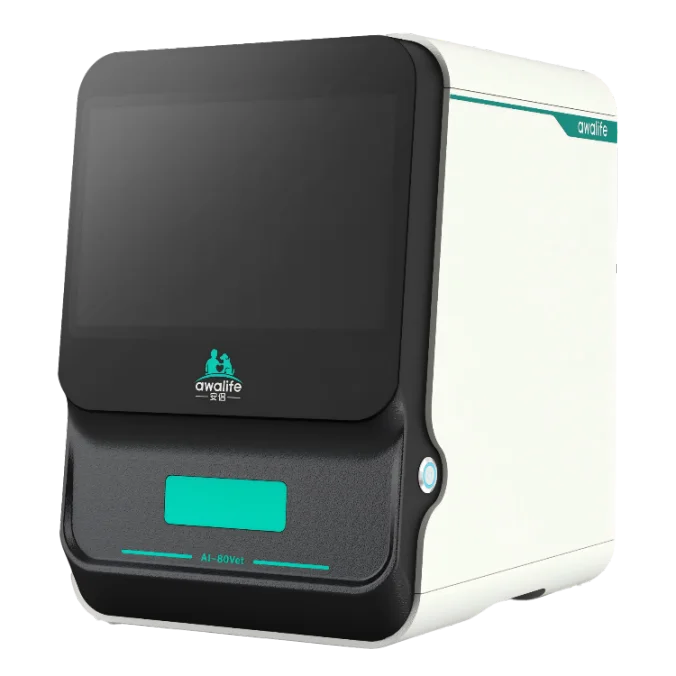
Use the current product page to assess fit, required documentation, customer questions, and ownership of the post-sale workflow.
Review AI-80Vet product information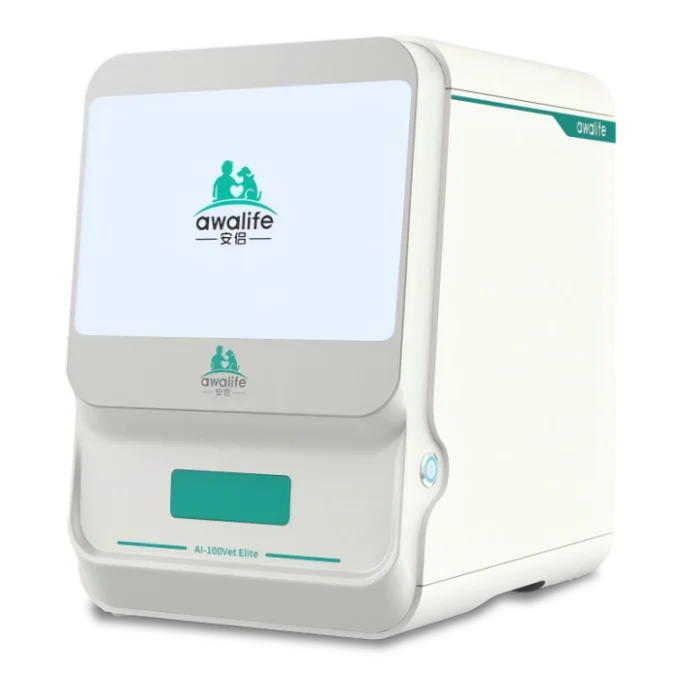
Use the documented product route to prepare a product-level review instead of relying on general portfolio or company descriptions.
Review AI-100Vet Elite information
Review the digital microscopy product page and define how product information, customer onboarding, and technical questions would move through the channel.
Review DM-03 product information
Smart Auscultation
Digital heart and lung sound capture with AI-assisted screening and structured report sharing.
Review CP-001 details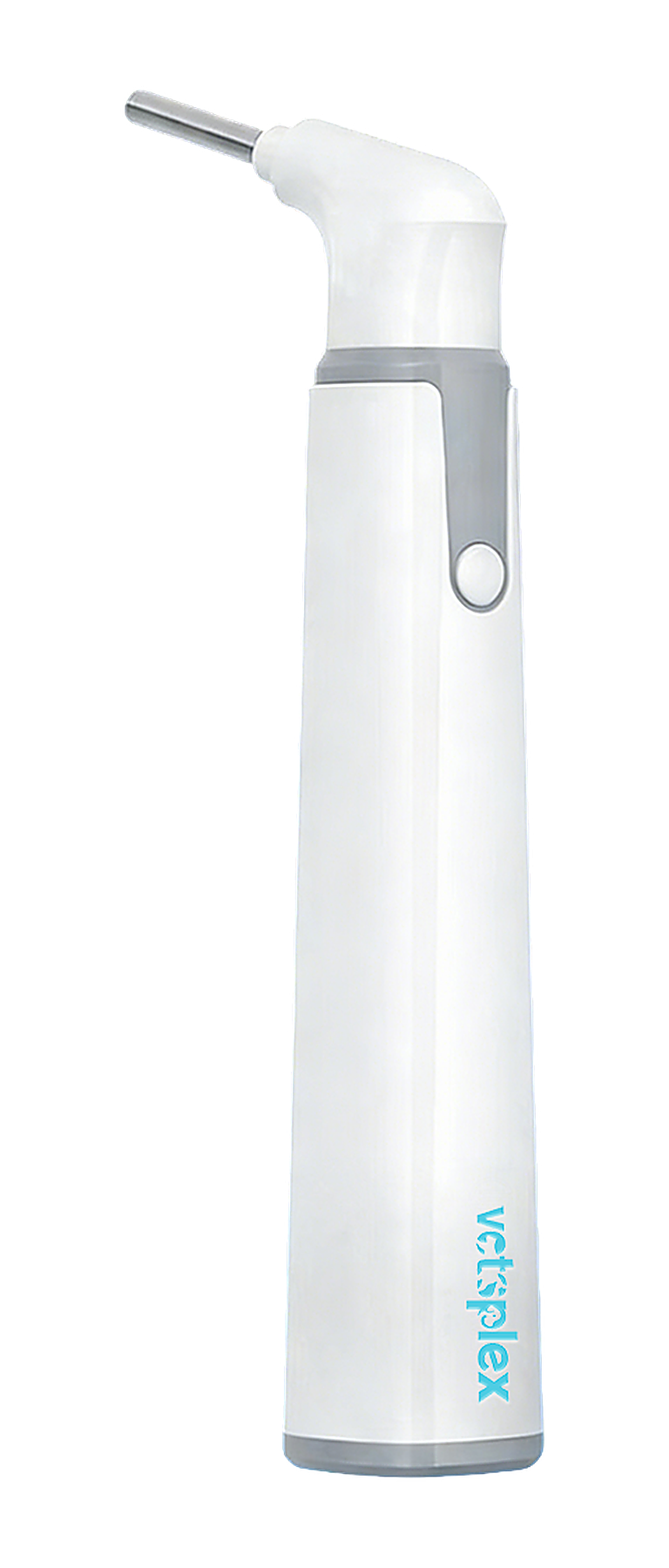
AI-Assisted Otoscopy
Wireless ear-canal imaging with AI-assisted reporting and cloud case management.
Review Ear Scope detailsUse the capability route to frame a customization discussion without assuming feasibility, scope, quantities, or delivery terms.
Review OEM and ODM planningDefine the intended IVD project, evidence required, approval stages, and responsibility split before discussing a custom scope.
Review veterinary IVD OEM and ODMUse the analyzer manufacturing route to prepare requirements and confirmation questions, not to infer an available specification or commercial package.
Review analyzer custom manufacturingTurn the comparison into a reviewable brief
Share the target buyer, product categories, customer workflow, documentation needs, and the responsibilities you expect each party to own. Commercial terms and any market-specific requirements can then be reviewed as explicit confirmation items.
We use only necessary browser storage to remember privacy preferences and support core site functions.