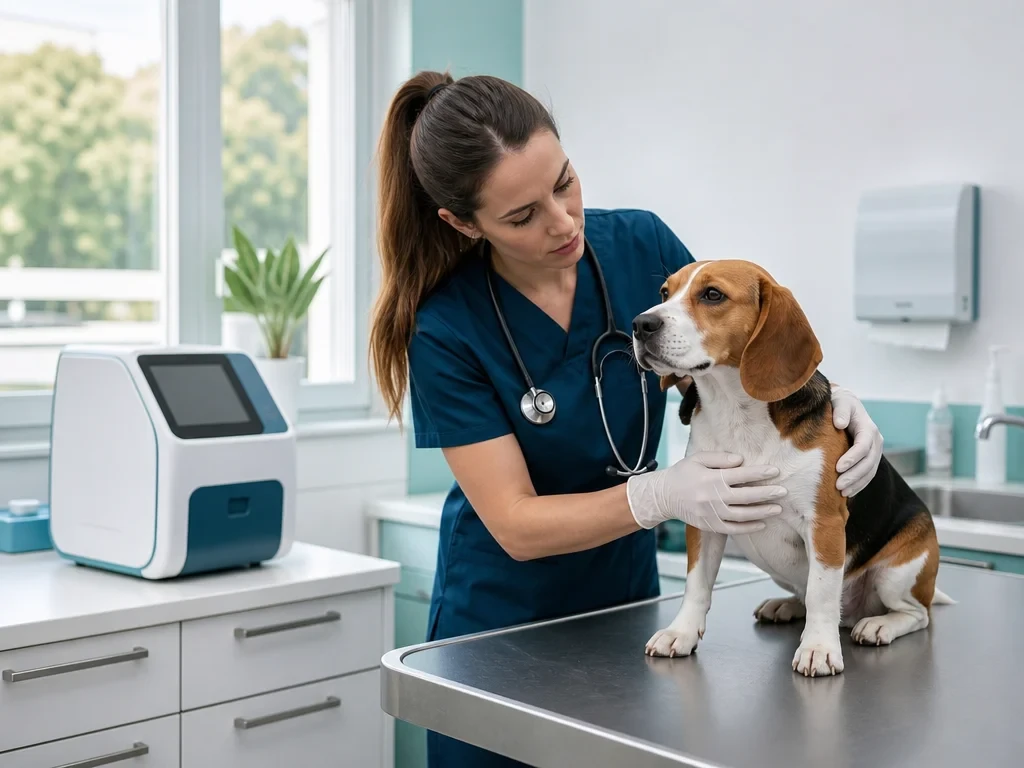
A complete startup list is not the same as an opening-day purchase order. First define the care model, species, hours, staffing, referral network, and rooms. A general veterinary clinic equipment plan will differ from a larger animal hospital equipment plan with inpatient, emergency, or specialty services.
Use this checklist as a scope document. Confirm each item against local licensing, radiation, pharmacy, workplace safety, waste, accessibility, electrical, ventilation, and building requirements. The wider pet hospital solutions framework can help connect equipment choices to room layout and clinical workflow.
Three labels prevent overbuying
- Opening day: essential for promised services and patient safety.
- Phase later: useful after volume, staffing, and workflow are proven.
- Refer or outsource: maintain access without owning the system yet.
Room-by-room scope
Veterinary Clinic Equipment List
Plan by room because placement exposes missing utilities, duplicate purchases, contamination risks, and weak handoffs. The exact list depends on the services and species in scope.
| Area | Core equipment to assess | Planning questions |
|---|---|---|
| Reception and records | Workstations, secure network, phones, label and document printers, payment tools, patient weighing, and practice management access. | How will results, inventory, consent, estimates, and discharge instructions move through one record? |
| Exam rooms | Exam table, species-appropriate scales, focused lighting, thermometers, otoscope, ophthalmoscope, diagnostic sets, and a veterinary stethoscope. | Can staff examine and restrain patients safely, clean surfaces, and reach supplies without leaving the room? |
| Laboratory | Sample preparation, centrifugation, microscopy, analyzers selected for the test menu, refrigeration where required, quality-control storage, and safe waste handling. | Which tests must return during the visit, and which can go to a veterinary laboratory? |
| Imaging | Digital radiography based on scope, suitable tables and positioning aids, image review, storage, room utilities, and any required protective equipment. | Is the room ready, are trained operators available, and are local approvals complete? |
| Treatment | Treatment tables, IV support, infusion devices, oxygen access, suction where needed, warming, basic monitoring, emergency cart, and secure medication storage. | Can the team stabilize a patient, monitor change, and transfer safely to surgery, imaging, or referral? |
| Surgery and sterilization | Surgical table and lighting, anesthesia delivery, monitoring, suction, instrument sets, electrosurgery if in scope, autoclave, packing area, and sterile storage. | Are clean and dirty workflows separated, and who performs equipment checks before each procedure? |
| Recovery and wards | Species-appropriate housing, observation, warming, oxygen access where planned, fluid support, isolation provisions, cleaning tools, and safe movement aids. | Can staff observe patients and separate incompatible, infectious, noisy, or vulnerable patients? |
Match tests to decisions
Diagnostic Equipment
Choose diagnostics from the clinical questions the team must answer and the time available to answer them. Compare acquisition cost with consumables, controls, calibration, maintenance, result interpretation, data transfer, operator training, and supplier support.
In-house laboratory workflow
Map the path from collection to result before selecting a device. Common workflows include veterinary blood analysis, animal blood analysis, veterinary fecal analysis, and veterinary urine sediment analysis. For each workflow, record sample type, preparation, storage, turnaround target, quality-control process, result review, and referral exceptions.
Digital microscopy may support morphology and image review when it fits the test menu and staff workflow. Review the documented DM-03 digital microscope and the broader veterinary microscopy imaging workflow as separate steps: first confirm the clinical need, then assess the product documentation.
Analyzer selection
Do not choose an analyzer from headline capability alone. Ask for the complete test menu, sample requirements, consumable storage, throughput assumptions, controls, maintenance schedule, software workflow, training plan, warranty terms, and service route. Vetsplex currently documents the AI-80Vet analyzer and AI-100Vet Elite; suitability still depends on the clinic's intended use and confirmed project scope.
A practical in-clinic veterinary testing plan should also define what happens when a result is delayed, a control fails, a reagent is unavailable, or a test falls outside the in-house menu.
Imaging choices
Radiography has different room, safety and image-management requirements. Review the veterinary digital radiography implementation guide before finalizing those facility assumptions.
Clinics building a broader imaging service can review the veterinary imaging equipment pathway. A startup can also refer cases until volume, trained staff, facility readiness, and support justify ownership.
Design for the procedure and the recovery
Treatment and Surgery Equipment
The surgery list must reflect the actual procedures the clinic will perform. It should cover preparation, anesthesia, monitoring, the procedure, sterilization, recovery, emergency response, maintenance, and staff competency as one connected system.
Treatment and stabilization
- Easy-clean treatment surfaces and task lighting
- IV poles, infusion support, pumps where indicated, and fluid warming where planned
- Oxygen delivery, suction where required, basic monitoring, and patient warming
- Emergency cart with assigned checks, restocking ownership, and backup power planning
- Secure storage and documented control for medicines and clinical supplies
Surgery, anesthesia, and recovery
- Surgical table, procedure lighting, instrument sets, suction, and electrosurgery if needed
- Anesthesia machine, oxygen source, breathing circuits, scavenging, and patient monitoring
- Autoclave, instrument cleaning, packing, indicators, sterile storage, and traceable cycles
- Recovery housing, warming, observation, pain-management workflow, and emergency access
- Preventive maintenance, consumables, spares, service contacts, and staff training
Create a pre-use equipment check
Assign a documented check before every anesthetic procedure, plus scheduled maintenance and emergency backup checks. The American Animal Hospital Association includes equipment preparation in its anesthesia and monitoring guidance. Apply the current professional guidance and legal requirements for your location and patient population.
Use the clinic's planned procedure list to request a project-specific scope. Do not assume every product category is included by a general supplier. Relevant planning routes include veterinary practice supplies, documented veterinary equipment cases, and a detailed pet hospital setup process.
Stock by workflow and lead time
Clinic Supplies Checklist
Equipment cannot operate without the right consumables, cleaning process, storage, and reorder routine. Build the supply list from each room and procedure instead of copying one generic catalog.
| Supply group | Examples to scope | Inventory control |
|---|---|---|
| Exam and sample collection | Gloves, swabs, syringes, needles, collection tubes, slides, coverslips, labels, specimen containers, and examination disposables. | Record compatible sizes, pack quantities, expiry controls, room par levels, and substitute items. |
| Diagnostics | Analyzer consumables, reagents, controls, stains, pipette supplies, immersion oil, printer or label stock, and approved cleaning materials. | Track lot, expiry, storage conditions, open-vial life where applicable, test demand, and supplier lead time. |
| Treatment and surgery | Catheters, administration sets, dressings, sutures, drapes, gowns, masks, caps, blades, breathing circuits, filters, and sterilization packaging. | Build procedure packs, identify critical backups, and assign daily emergency-cart and sterile-stock checks. |
| Cleaning and waste | Surface and instrument cleaning products, laundry supplies, spill kits, sharps containers, waste bags, and protective equipment. | Match products to surfaces and equipment instructions, and confirm local waste and safety rules. |
| Patient housing | Bedding, bowls, litter supplies, absorbent materials, identification, restraint aids, cleaning tools, and isolation-specific stock. | Separate clean and used stock, control cross-room movement, and plan species-appropriate quantities. |
For product-family and sourcing discussions, compare the site's veterinary medical supplies coverage with your exact list. Buyers consolidating across locations may also need separate reviews for veterinary supplies wholesale, veterinary equipment distribution, and veterinary medical equipment wholesale. Those routes address sourcing models; they do not replace the clinic's own compatibility and compliance checks.
Turn the list into a procurement plan
How to Prioritize Equipment Before Opening
Score each item against clinical necessity, opening-day service scope, patient safety, expected use, referral access, room readiness, staff competency, total ownership burden, supplier support, and downtime backup. Record the decision and revisit it after the clinic has real operating data.
-
1. Freeze the opening service menu
List what the clinic will and will not do on opening day. Separate general practice, emergency, inpatient, dental, imaging, surgery, and laboratory commitments. Compare the scope with the needs of animal medical facilities rather than assuming one standard setup.
-
2. Map rooms, utilities, and clean flow
Confirm electrical load, water, drainage, ventilation, oxygen, networking, storage, radiation controls where applicable, equipment clearances, cleaning access, and patient movement before ordering fixed or high-dependency systems.
-
3. Build a test and procedure matrix
Match every analyzer, imaging system, instrument set, and monitor to an expected clinical decision. Clinics emphasizing blood-cell workflows can separately review veterinary haematology equipment before choosing a platform.
-
4. Compare the full operating burden
Request documented details for included accessories, installation, training, consumables, controls, software, preventive maintenance, warranty, service response, replacement parts, shipping, storage, and decommissioning. Treat unconfirmed items as open questions, not assumptions.
-
5. Assign suppliers and backups
Name the primary source, alternate source, lead time, compatible substitute, and internal owner for critical equipment and supplies. Multi-site buyers may need a formal veterinary distributor review alongside direct equipment evaluation.
Common startup questions
Veterinary Clinic Equipment FAQ
What equipment does a new veterinary clinic need first?
Start with equipment required for the services offered on opening day, including safe examinations, basic diagnostics, treatment, sterilization, emergency response, and reliable recordkeeping. Defer specialized systems until staffing, case demand, space, support, and referral plans are clear.
Should a startup clinic buy every diagnostic system?
No. Select in-house diagnostics by expected case mix, turnaround needs, staff capability, quality-control workload, consumable availability, and service support. Keep a referral laboratory pathway for tests that do not justify an opening-day purchase.
What should be checked before buying surgery equipment?
Confirm the procedures in scope, room utilities, oxygen and scavenging needs, patient monitoring, sterilization workflow, emergency backup, staff training, maintenance responsibility, and local regulatory requirements before placing an order.
How should clinic supplies be organized before opening?
Organize supplies by room and procedure, assign a storage location and owner, record pack size and lead time, set a reorder trigger, and separate sterile, refrigerated, hazardous, and controlled items according to applicable rules.