IVD procurement guide
Veterinary Hematology Analyzer Price: A Practical Buyer Guide
There is no useful universal price for a veterinary hematology analyzer. A quote only becomes comparable when it defines the analyzer configuration, test menu, consumables, training, delivery, warranty, and service coverage.
This guide shows how to build a realistic budget without relying on an unsupported online price range.
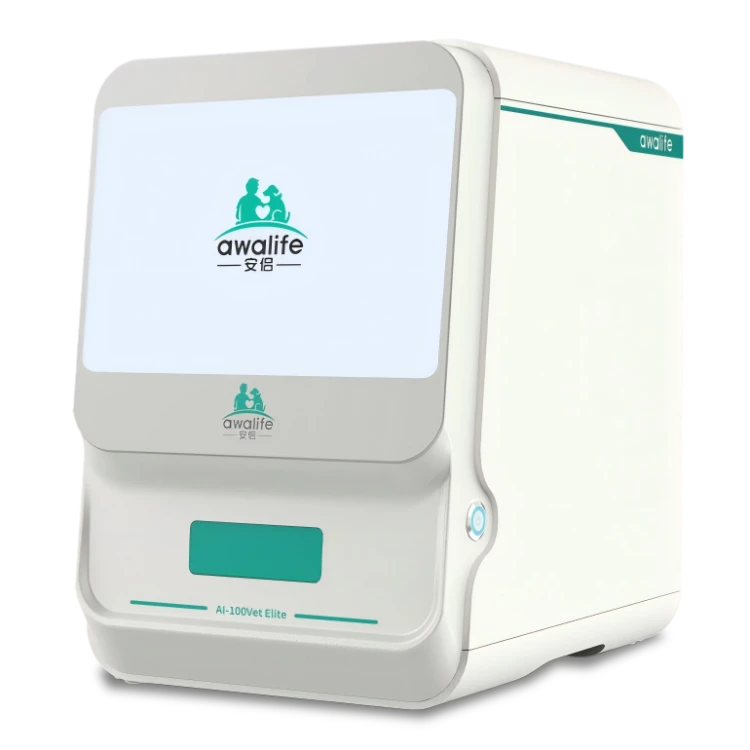
Veterinary Hematology Analyzer Price Factors
Start with the clinical job, not the machine name. A clinic that needs routine CBC screening has a different buying case from a referral hospital that needs broader morphology detail, higher throughput, or several sample workflows.
Map the quote to your veterinary blood analysis workflow, your broader veterinary haematology program, and the species covered by your animal blood analyzer. Then compare models within the wider veterinary IVD analyzer range, rather than treating every veterinary CBC machine as equivalent.
| Quote variable | Why it changes cost | What to confirm |
|---|---|---|
| Differential and parameters | A broader reported parameter set can require different optics, reagents, algorithms, and quality-control routines. | Requested CBC outputs, flags, morphology information, and species. |
| Throughput | Higher sample handling capacity may raise hardware cost but reduce queues and staff time. | Samples per hour under your actual workflow, not only a headline maximum. |
| Automation | Automated mixing, loading, recognition, reporting, and data transfer can reduce manual steps. | Which steps are automated and which still need manual preparation or review. |
| Sample menu | A multifunction platform may consolidate workflows that otherwise require separate equipment. | Validated blood, fecal, urine, or body-fluid applications for the quoted model. |
| Consumable system | Reagent pack size, shelf life, controls, calibration, and waste can dominate long-term cost. | Cost per reportable result at low, expected, and peak monthly volume. |
| Software and connectivity | Reporting, data storage, LIS/PIMS connection, updates, and licenses may be bundled or separate. | Included software, recurring fees, export formats, updates, and integration responsibility. |
| Delivery and commissioning | Freight, customs, installation, validation, and staff training vary by market. | Incoterm, destination, site requirements, acceptance criteria, and training format. |
| Warranty and support | Remote support, parts, preventive maintenance, and response targets have measurable value. | Warranty exclusions, response time, spare-parts route, loaner policy, and service renewal. |
Market evidence:
Current category pages group veterinary analyzers by differentiation, parameter count, throughput, technology, sample volume, and automation. An accessible MedicalExpo category page demonstrates why a single unqualified price is not a meaningful comparison.
Budget Ranges Without Misleading Price Tags
Because the Vetsplex planning record does not contain an approved public price list, this guide does not publish a fabricated dollar range. Use three scope bands to request comparable quotations instead.
Focused CBC workflow
Prioritize essential parameters, expected species, modest daily volume, compact footprint, and straightforward reporting.
Broader in-clinic workflow
Add automation, expanded morphology or sample capability, faster turnaround, connectivity, and structured staff training.
High-service or multi-site program
Include higher capacity, implementation planning, distributor terms, spare-parts strategy, service targets, and rollout support.
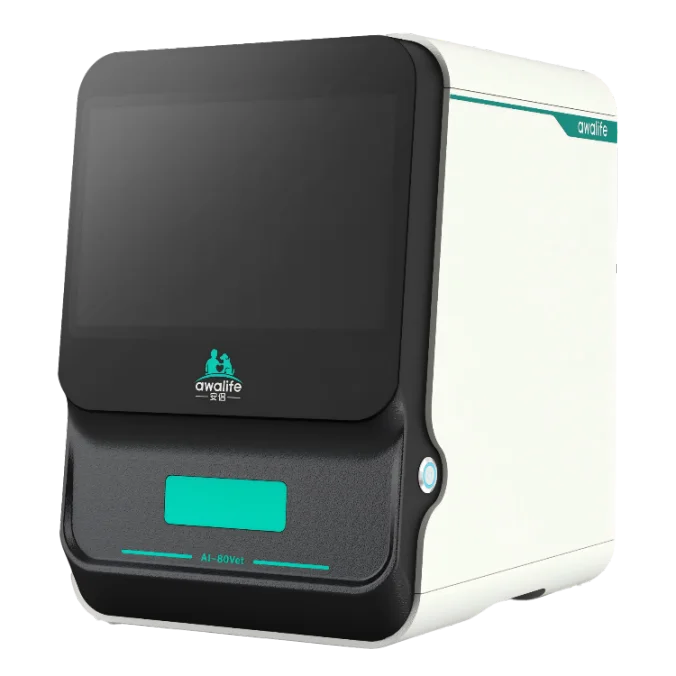
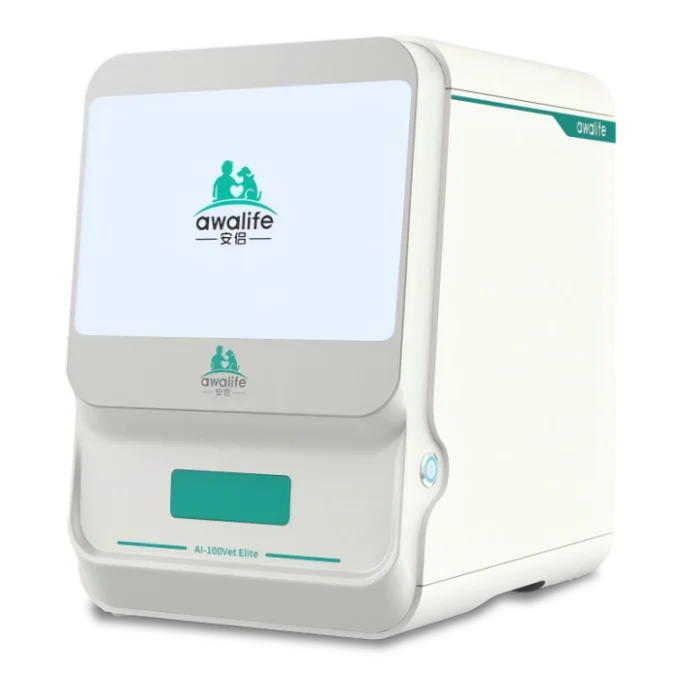
Treat these as workflow choices, not price promises. Ask the supplier to quote both configurations against the same usage assumptions and acceptance checklist.
Total Cost of Ownership
A practical TCO model is: acquisition and commissioning + consumables + quality control + maintenance and service + staff time + downtime risk - residual value. Calculate it over a useful comparison period and divide by expected reportable tests.
For in-clinic veterinary testing, turnaround and ease of operation can be as important as throughput. The IDEXX ProCyte Dx product page, for example, ties analyzer value to species-specific results, workflow, training demands, and turnaround rather than publishing one universal market price.
Build a per-reportable-test worksheet
- Forecast monthly CBC volume by species, then add seasonal peaks and a conservative low-volume case.
- Add reagent, stains, controls, calibration materials, disposables, and expiry waste.
- Add planned maintenance, software, support, and a realistic allowance for downtime.
- Estimate staff minutes for sample preparation, loading, review, cleaning, and repeat tests.
- Divide the total by reportable results, not by every test started.
Account for the rest of the lab workflow
A hematology quote can change the equipment needed around it. Review your complete veterinary laboratory workflow and use a veterinary lab equipment checklist to budget centrifugation, storage, pipetting, power protection, computers, waste handling, and quality-control supplies.
If one platform is expected to support multiple sample types, verify the exact fecal analysis and urine sediment workflows. Do not assume that a multifunction claim means every sample uses the same consumables or staff steps.
Morphology review may also require a separate DM-03 digital microscope or another veterinary microscopy imaging setup. Include those costs only when they are part of your clinical workflow.
Fit the Analyzer Into the Whole-Practice Budget
The cheapest analyzer is not automatically the best capital decision. A new veterinary clinic may need to reserve cash for daily practice supplies, while larger animal hospitals may prioritize capacity, interfaces, and service continuity.
For a new facility, a coordinated pet hospital setup plan helps sequence utilities, installation, staff training, consumable stocking, and commissioning instead of pricing each machine in isolation.
Where to Get Quotes and How to Compare Them
Request quotes from manufacturers, authorized distributors, or qualified equipment partners that can document the exact scope. Buyers in the broader animal medical sector should confirm who is responsible for import, installation, training, warranty response, and consumable continuity in the destination market.
A veterinary distributor may add local inventory and service value. For multi-site or channel procurement, compare veterinary medical equipment wholesale, veterinary supplies wholesale, and equipment distribution terms separately. Equipment, recurring consumables, and territory support are different commercial questions.
Also define which veterinary medical supplies are included in the starter package and which must be reordered. Review the supplier's diagnostic equipment FAQs, but place every material promise in the final quotation or contract.
Send the same RFQ to every supplier
- Country, delivery address, and preferred Incoterm
- Species and expected tests per day and month
- Required CBC parameters, flags, and report outputs
- Blood-only or multifunction sample workflow
- Consumables, controls, starter stock, and expiry assumptions
- Software, connectivity, licenses, and update terms
- Installation, training, acceptance, and validation scope
- Warranty, service response, parts, and renewal pricing
Request a scope-matched hematology analyzer quote
Send Vetsplex your country, species mix, expected test volume, sample workflows, and support needs. The response can then separate equipment, consumables, delivery, training, and service instead of presenting an unclear headline price.
Discuss your analyzer budgetVeterinary Hematology Analyzer Price FAQ
Why do veterinary hematology analyzer prices vary so much?
Prices vary because quotes may cover different analyzer classes, test capabilities, software, starter consumables, training, shipping, installation, warranty, and service terms.
Should I compare analyzers by purchase price alone?
No. Compare the purchase price together with expected test volume, reagent and quality-control costs, maintenance, downtime support, staff time, and useful life.
What information should I send when requesting a quote?
Send your country, animal species, expected daily CBC volume, required parameters, preferred workflow, installation needs, training needs, and the consumables and service scope you want included.
Can one analyzer cover blood, fecal, and urine workflows?
Some multifunction veterinary IVD platforms can analyze several sample types, but capabilities differ by model. Confirm the validated sample menu, report outputs, consumables, and workflow for every quoted configuration.